Kathmandu Travel Guide
Guide
- Kathmandu Travel Guide
- The Basics
- Contacts
- Attractions
- Excursions
- Events
- Transport
- Climate
- Photos
- Hotels in Kathmandu
- Flights to Kathmandu
Maps
Directory
Time
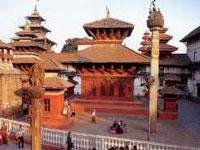
Why? A holiday in Kathmandu is now easy to arrange, but
this fabled city was once one of the world's most inaccessible
destinations. Travel to Kathmandu, capital of Nepal, to start
expeditions into the rest of the country and to experience this
beautifully sited city with its vibrant traditions, well preserved
architecture, and fascinating Buddhist and Hindu culture.
When? The best months to visit Kathmandu for a holiday are
October/November and March/April, when the weather is warm and
largely sunny, and the air is crisp and clear. Winters (November to
February) are exceedingly cold, while early summer (May and June)
is swelteringly hot and humid. Monsoon rains drench the city
between June and September.
Who for? A holiday in Kathmandu attracts mainly independent
travellers intent on undertaking adventure trips in Nepal like
trekking, rafting and mountain climbing. The city has a range of
accommodation for all budgets, and plenty of restaurants in its
Thamel tourist district, and is thus able to cater for all sorts of
modern travellers.
More Info: A host of useful background information and
details of attractions of excursions required for a holiday in
Kathmandu is contained in our comprehensive Kathmandu travel guide,
which can be printed out or emailed. The guide also gives the run
down on essential facts for travel to Kathmandu, like entry
requirements, foreign exchange, safety and health.
Overview
Presided over by snow-covered mountains, the Kathmandu Valley is surrounded by verdant agricultural hills scattered with traditional villages and brick houses, rich in ancient holy temples and shrines used by both Buddhists and Hindu worshippers reflecting a great wealth of culture and tradition. Most of the country's ethnic groups are represented in the Valley, particularly in Kathmandu itself, but it is the Newars who are the original inhabitants responsible for development and the splendid art and architecture in the cities.
The Valley is the cultural, political and commercial centre of Nepal and encompasses three cities: Kathmandu the capital; Patan, which has been enveloped by the growing Kathmandu outskirts; and the medieval city of Bhaktapur. For the unprepared visitor, the capital city of Kathmandu can trigger a sensory overload - it is a heaving city of both intriguing and unpleasant smells, incessant noise and pollution, and sights that etch themselves on the memory. Cows wander the streets of the old city, stepping between steaming piles of rubbish and hooting taxis, and narrow alleyways overflow with spices, vegetables and handicraft shops. Throngs of people thread their way along bustling cobblestone streets lined with structures from an ancient architectural heritage, which lead onto open squares surrounded by temples of all shapes and sizes. The largest city in Nepal and the nation's historical centre, Kathmandu throws together a blend of the country's varied population and boasts a distinctive, age-old religious influence visible in the daily life of its inhabitants.
Fascinating as this city is however, many people choose to stay outside Kathmandu in one of the Valley towns or mountain resorts and restrict their visit to day trips; or they base themselves in the tourist-orientated Thamel district of the city that offers modern bakeries, smart hotels and upmarket restaurants, along with pushy handicraft and cannabis sellers.
Compare the prices of flights to Kathmandu. Search a huge range of deals online to find the best price.
 Intrepid Travel, one of the world's leading suppliers of small
group adventures focused on getting off the beaten track,
interacting with the locals and having real life experiences
throughout Nepal.
Intrepid Travel, one of the world's leading suppliers of small
group adventures focused on getting off the beaten track,
interacting with the locals and having real life experiences
throughout Nepal.
 Create your own adventure in this fantastic country with Nepal
Travel Plan.
Create your own adventure in this fantastic country with Nepal
Travel Plan.
 iExplore designs made-to-order, privately-guided adventure tours
to Nepal. Come Back Different!
iExplore designs made-to-order, privately-guided adventure tours
to Nepal. Come Back Different!